What happened
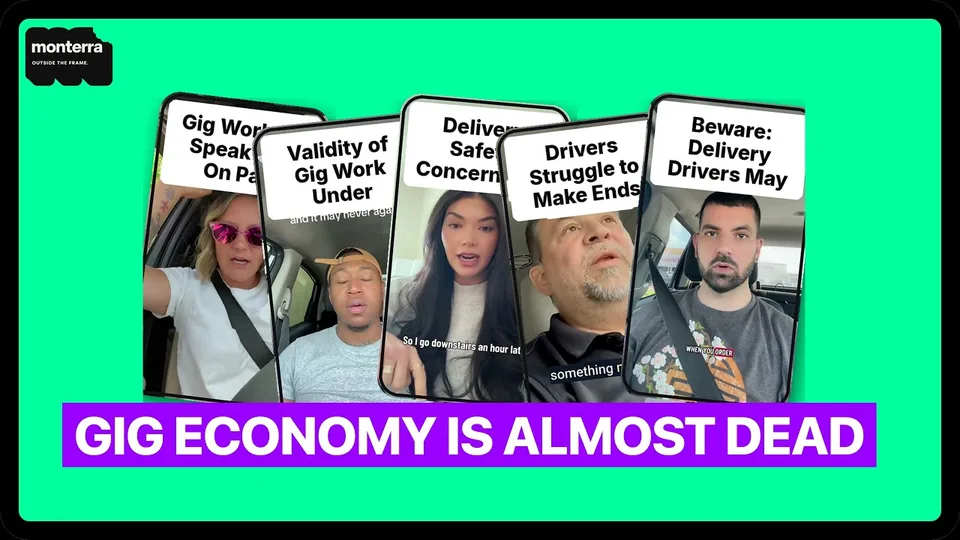
But for many workers, it has become something very different.
For workers dealing with layoffs, reduced hours, business closures, rising vehicle costs, or a difficult job market, apps like DoorDash, Uber, Instacart, and Spark can become an immediate fallback — even as more people compete for the same pool of orders.
At the same time, delivery companies are building something new.
DoorDash Air, autonomous delivery robots, Wing, Zipline, Manna, Amazon Prime Air, and other systems are beginning to change how deliveries reach customers — and how often a human driver may eventually be needed.
The shift probably won’t happen overnight. For gig workers, automation may not look like a traditional layoff at all. It could simply mean fewer orders, longer waits, and less money coming in while they’re still logged into the app.
This documentary looks at how delivery evolved, how the gig economy changed who carries the cost, and what happens as the industry begins moving toward autonomous delivery.
If you currently work for DoorDash, Uber, Lyft, Instacart, Spark, or another gig platform, tell us what you’re seeing where you live.
Support Monterra Originals: gomonterra.com
Story ideas, tips, corrections, or media inquiries: hello@gomonterra.com
For copyright, business, or media inquiries: hello@gomonterra.com