What happened
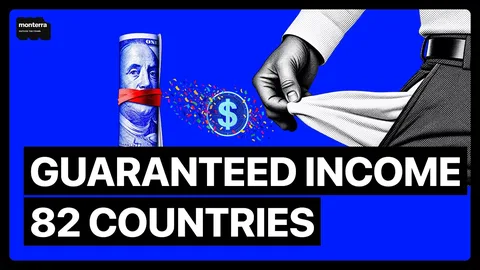
But where would that money come from? Who would distribute it? And what happens to the millions of people who depend on a paycheck while the economy transitions?
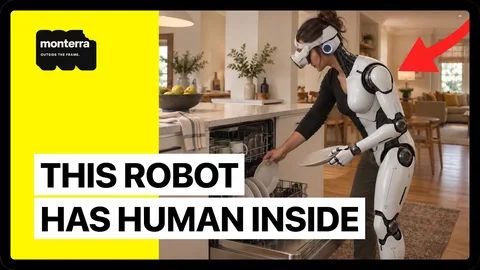
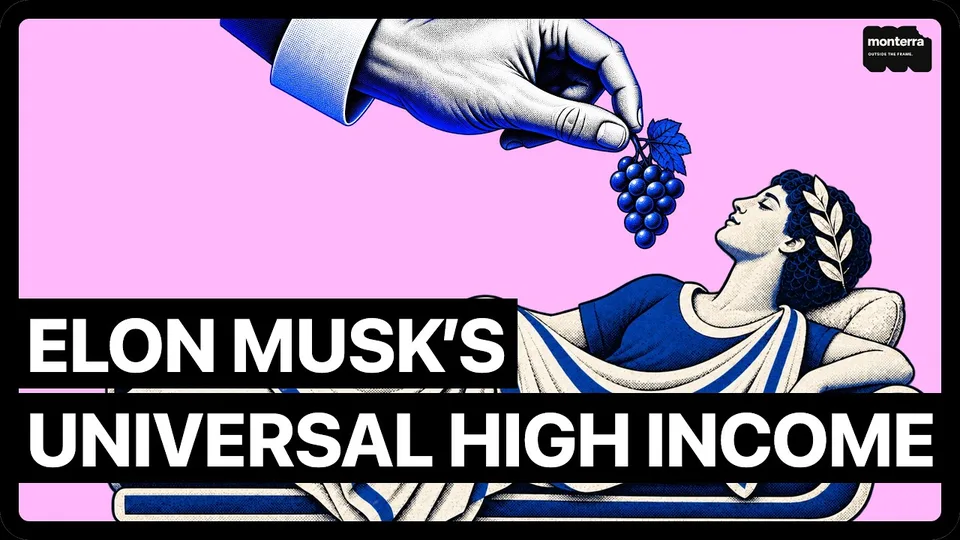
On this episode of Monterra, we explore Musk’s vision of an AI-powered economy where traditional employment could become optional and goods and services could become dramatically more affordable.
We examine the difference between universal basic income and universal high income, the Alaska Permanent Fund as a real-world example of shared resource wealth, and the economic challenges of moving toward an age of abundance.
We also explore inflation, automation, wealth distribution, and an often-overlooked question: If people no longer need to work to survive, what gives their lives meaning?
Universal high income remains a vision, not an established economic reality. Whether AI and robotics can generate enough prosperity to make it possible — and whether that prosperity would be shared — remains an open question.
What do you think? Could universal high income become a reality, or would the wealth generated by AI remain concentrated among the companies and individuals who own the technology?
Share your thoughts in the comments.
Support independent documentaries: https://gomonterra.com
Certain third-party photographs, video clips, audio, screenshots, logos, trademarks, and news footage may appear where relevant to the subject matter. Such materials are incorporated for commentary, analysis, criticism, reporting, and historical context.
For copyright inquiries: hello@gomonterra.com
This content is provided for informational, educational, and journalistic purposes only and does not constitute financial, investment, legal, tax, or other professional advice.
Statements about future technologies, economic conditions, automation, or income distribution are speculative unless otherwise identified. Opinions and interpretations are editorial in nature.
All trademarks, company names, and intellectual property belong to their respective owners. Their inclusion does not imply endorsement or affiliation.